






Naskah Sumatra

Manuscript Cultures Where the Seas Converge

The waves and the sea are undivided.

—Poem 29:9c by Hamzah Fansuri,
edited and translated in G. W. J. Drewes and L. F. Brakel, eds., The Poems of Hamzah Fansuri (Dordrecht: Foris, 1986), 136.

This research project, funded by the Leverhulme Trust Research Leadership Award and based at SOAS University of London, investigates manuscript libraries in three locations in Sumatra—Palembang, Aceh, and Minangkabau—to rediscover the intellectual and literary culture of Sumatra in the 18th and 19th centuries.


Search the Palembang Palace Library

Image 1 British Library Logo Image 3 Image 4 Image 5 Image 6 Image 7

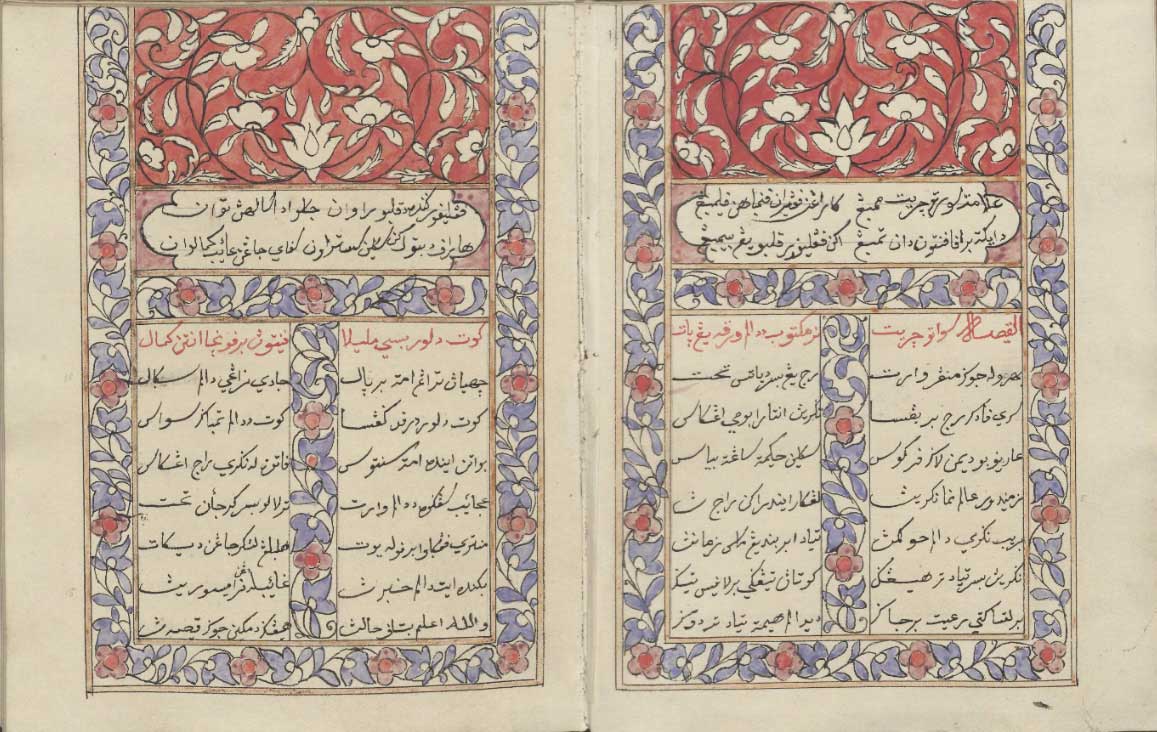
Syair Raja Mambang Jauhari: A Romance for the Ages

The text recounts the fights between Raja Mambang Jauhari against Dewa Syah Peri, whose fiancee he has abduceted, after which the latter kidnaps the sister of his enemy.
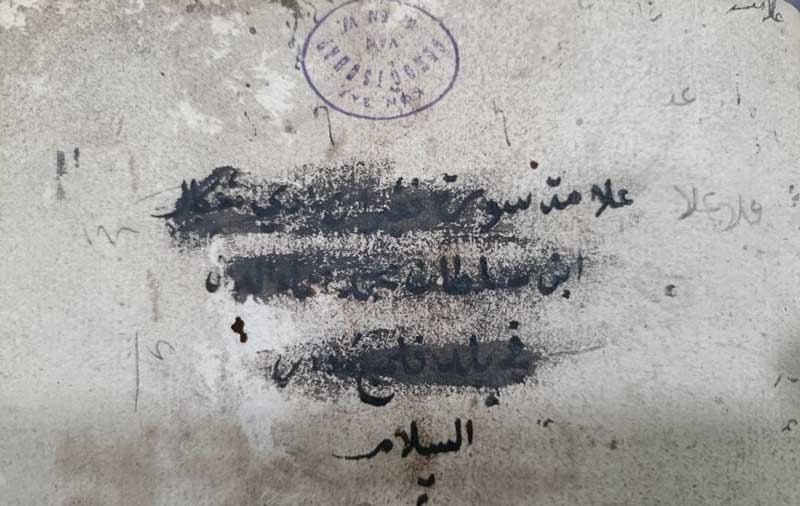
Where did the Palembang Kraton manuscripts go?

A trace of the royal collection in a lending library​. Perhaps the most intriguing trajectory is that of the manuscripts that passed from the royal library into non-elite hands, including local commercial lending libraries.
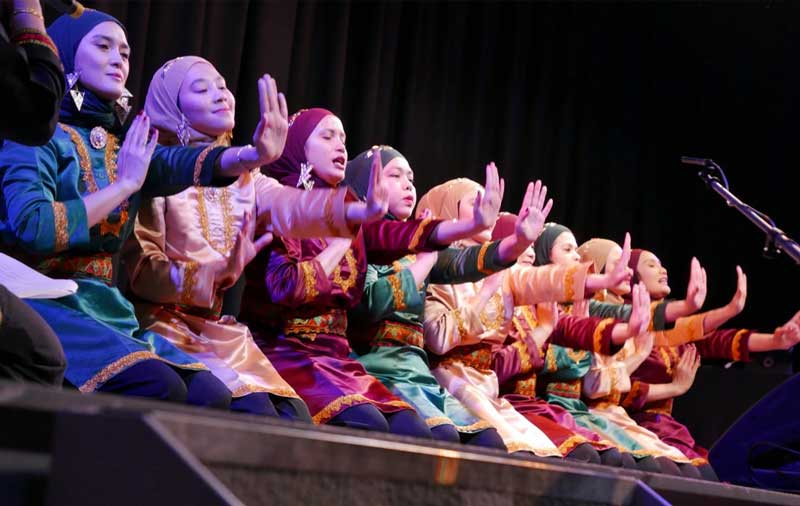
"Resonant Pages" performances at SOAS Brunei Gallery Theatre

“Zamnidur Alam”: Reanimating Syair Raja Mambang Jauhari, Reimagining the Minangkabau soundscape, and Riwang: The Dalā’il al-Khayrāt in Contemporary Dance.
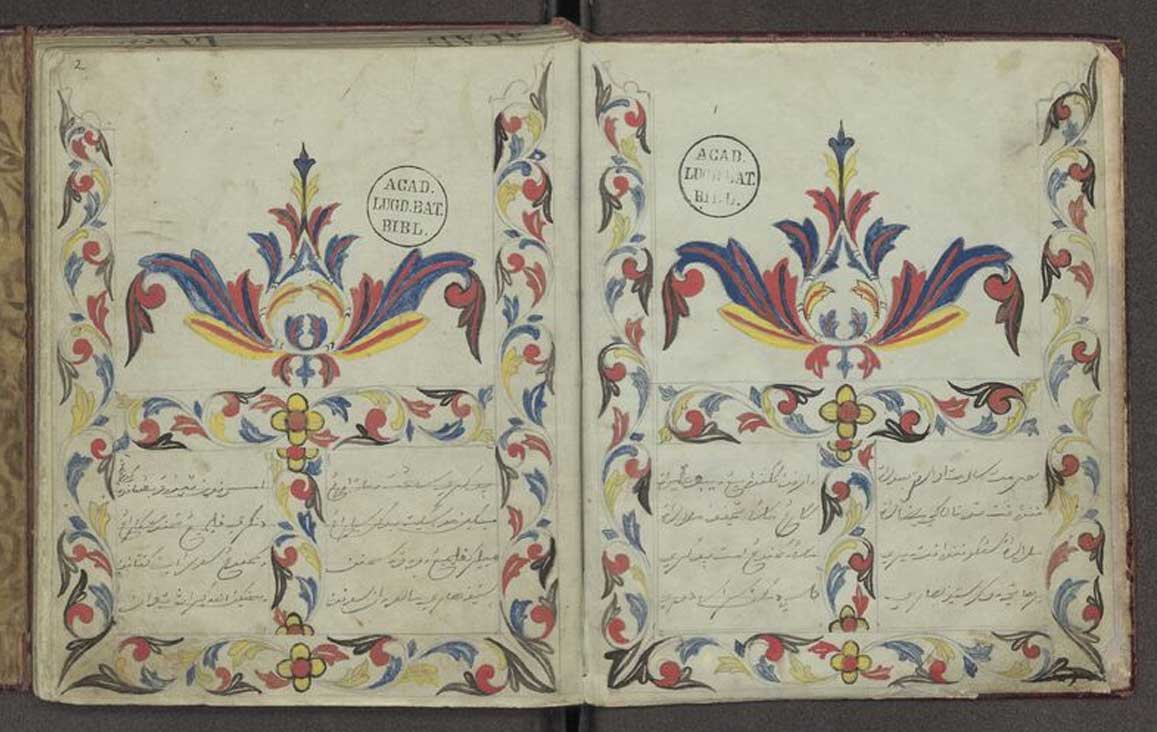
Syair Ken Tambuhan

This MS is of Van der Tuuk collection at Leiden. The text contains Panji Story.
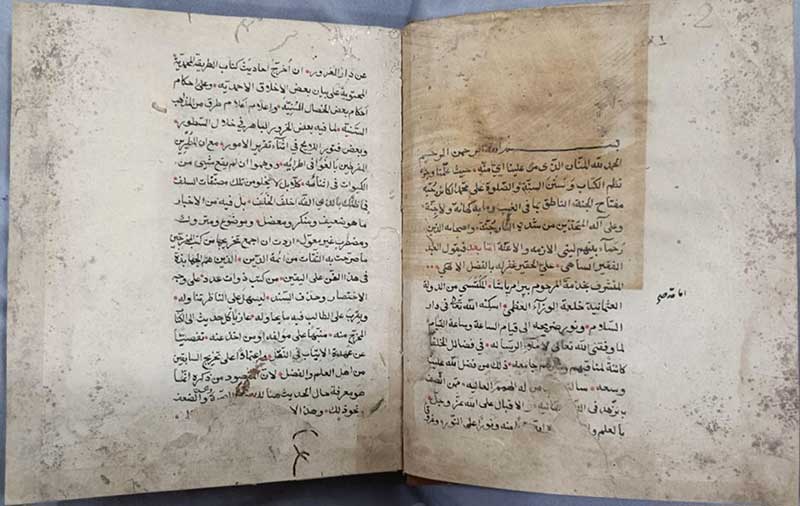
Contesting sultans and the ownership of the Palembang royal manuscripts

Who owned the books in the royal library of the Palembang Sultanate? This basic question about book ownership is embroiled in the sociopolitical dynamics of the kingdom.
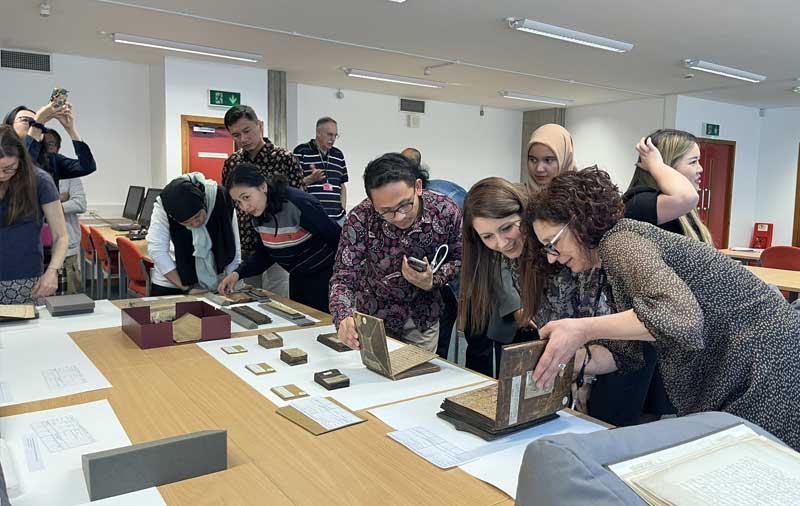
"Colonialism and manuscript libraries of island South East Asia" Workshop at SOAS

Sixteen academics and ten masterclass participants came to SOAS on 24-26 May 2023 for Mapping Sumatra’s Manuscript Culture’s first workshop, “Colonialism and manuscript libraries of island South East Asia.”

About the Project

Sumatra was the earliest point of contact between South East Asia and the Islamic world to the west. Its orientation towards the sea facilitated the movement of people, goods and ideas, making it essential for understanding ‘oceanic’ Islam, profoundly differently from the land-based polities of the Islamic empires of the Indian subcontinent and western Asia. The project will digitally reunite the surviving manuscripts from the Palembang royal library, one of the richest in the region until it was looted by the British in 1812 and again by the Dutch in 1821. It will compare this collection with two other case studies that remain in Sumatra and have recently been digitised by the Endangered Archives Programme: mosque libraries in the Minangkabau highlands (EAP144) and personal libraries in Aceh (EAP329). By studying these different kinds of gatherings of texts and readers, the project seeks to broaden and deepen our understanding of textual and intellectual developments in 18th- and 19th-century Sumatra, address the legacy of colonial intervention on South East Asian writing traditions, and contribute to a paradigm shift in the study of Islam in the region and beyond. This website will provide access to and insight into these manuscript libraries and their worlds.


The project is funded by a Research Leadership Award from the Leverhulme Trust, and is hosted by SOAS University of London.

How to Get Involved

Follow the project on Twitter (@naskahsumatra) and on Facebook (naskahsumatra) for updates.

If you can read Jawi, sign up to join our community-sourced transcription project (details coming soon).

css.php